📞 +86 19574989725 sales@micainsulation.com 🌐 Factory-Direct · Export Worldwide
Get Quote
Application Industry

Mica for Household Electrical Appliances — Safe, Reliable Insulation for Daily Life

Mica plays a critical role in household electrical appliances. Manufacturers rely on mica for insulation and heat resistance in devices like irons, toasters, microwaves, and hair dryers. Mica's unique combination of high dielectric strength, thermal stability, flame retardancy, and environmental safety makes it essential for modern appliance design — preventing burns, electrical shocks, and fires while extending product lifespan.

◆ Appliance Performance Overview
Muscovite TempUp to 500°C
Phlogopite TempUp to 1000°C
Dielectric StrengthUp to 200kV/mm
Sheet Thickness0.01mm+
Flame RatingNon-Combustible
RecyclabilityFully Recyclable
1000°C Appliance Grade
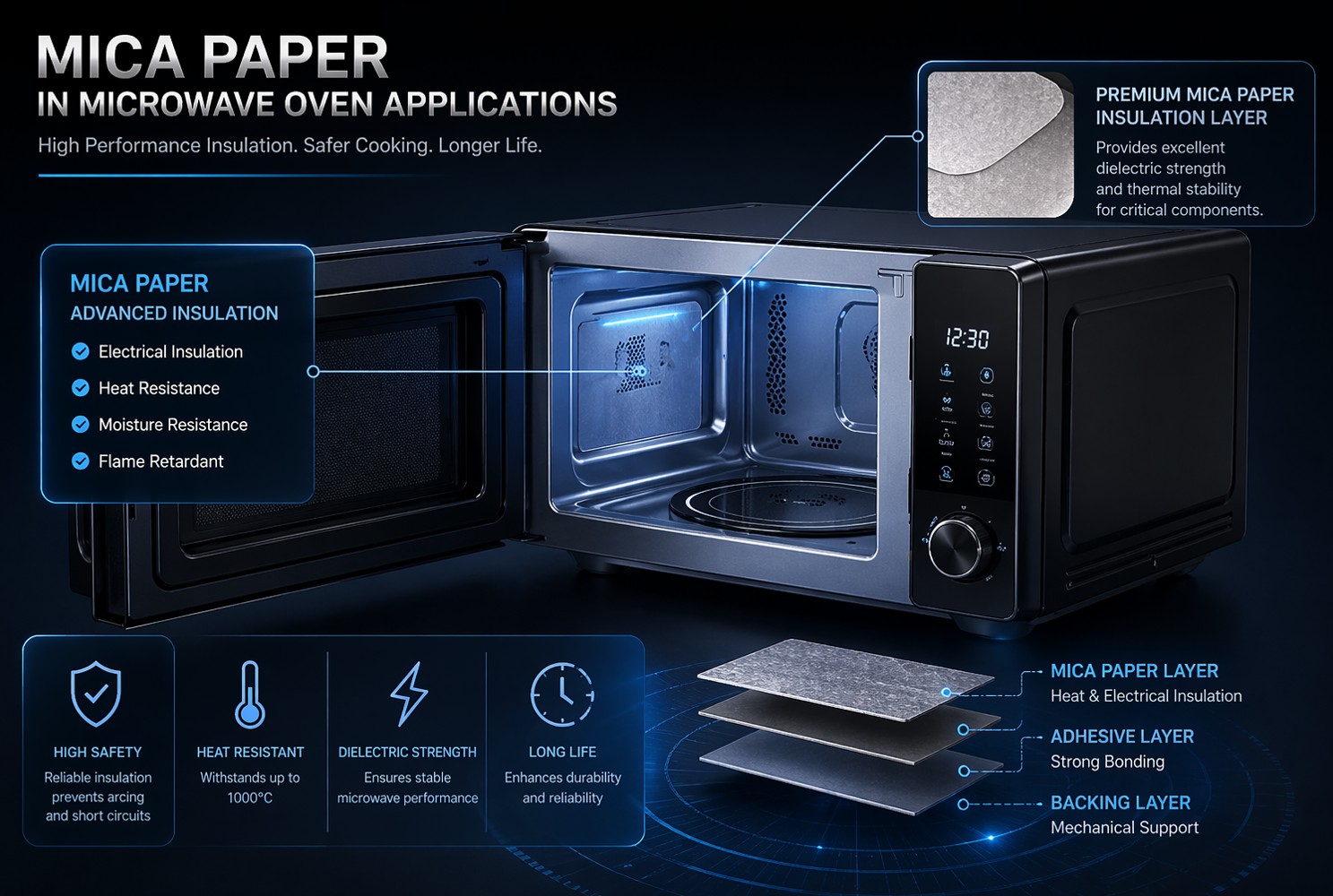
Mica insulation components in household electrical appliances - toaster, iron, microwave oven, hair dryer cross-section showing mica heating plates and waveguide covers
Key Takeaways

Why Mica Matters for Household Appliance Safety

Mica has strong thermal and electrical insulation properties that keep household appliances safe and help them function correctly. Its use in items like irons, toasters, and microwaves helps prevent burns, electrical shocks, and fire hazards.

  • Thermal stability — withstands high operating temperatures without degradation
  • Electrical safety — high dielectric strength blocks short circuits and leakage
  • Flame retardancy — non-combustible, reduces fire risks in heating elements
  • Long service life — maintains performance through thousands of heat cycles
  • Eco-friendly — naturally sourced, non-toxic, fully recyclable

Mica components offer long service life and are recyclable, making appliances more durable and better for the environment compared to synthetic alternatives.
Insulation & Heat Resistance

Mica's Role in Appliance Insulation

Mica is essential for retaining heat inside many household appliances. Manufacturers use mica sheets, plates, and tubes for thermal insulation — blocking unwanted heat loss and helping devices like toasters, irons, and heaters operate better and more safely.

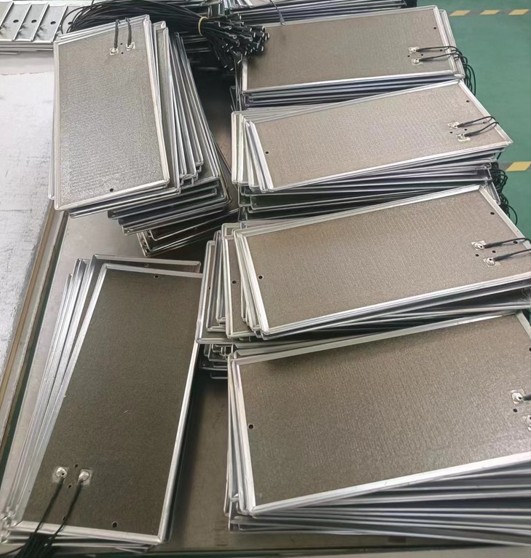
Mica sheets secure resistance wires and heating elements, providing both thermal protection and structural strength. These sheets can withstand temperatures up to 1000°C, making them ideal for high-temperature environments.

Mica comes in both flexible and rigid forms, adapting to different appliance shapes while delivering strong thermal protection:

  • Electric irons — mica sheets cover the electric heating element, retaining heat inside while preventing burn injuries
  • Toasters — mica wraps around heating elements, preventing bread burning and protecting users from accidental contact with hot components
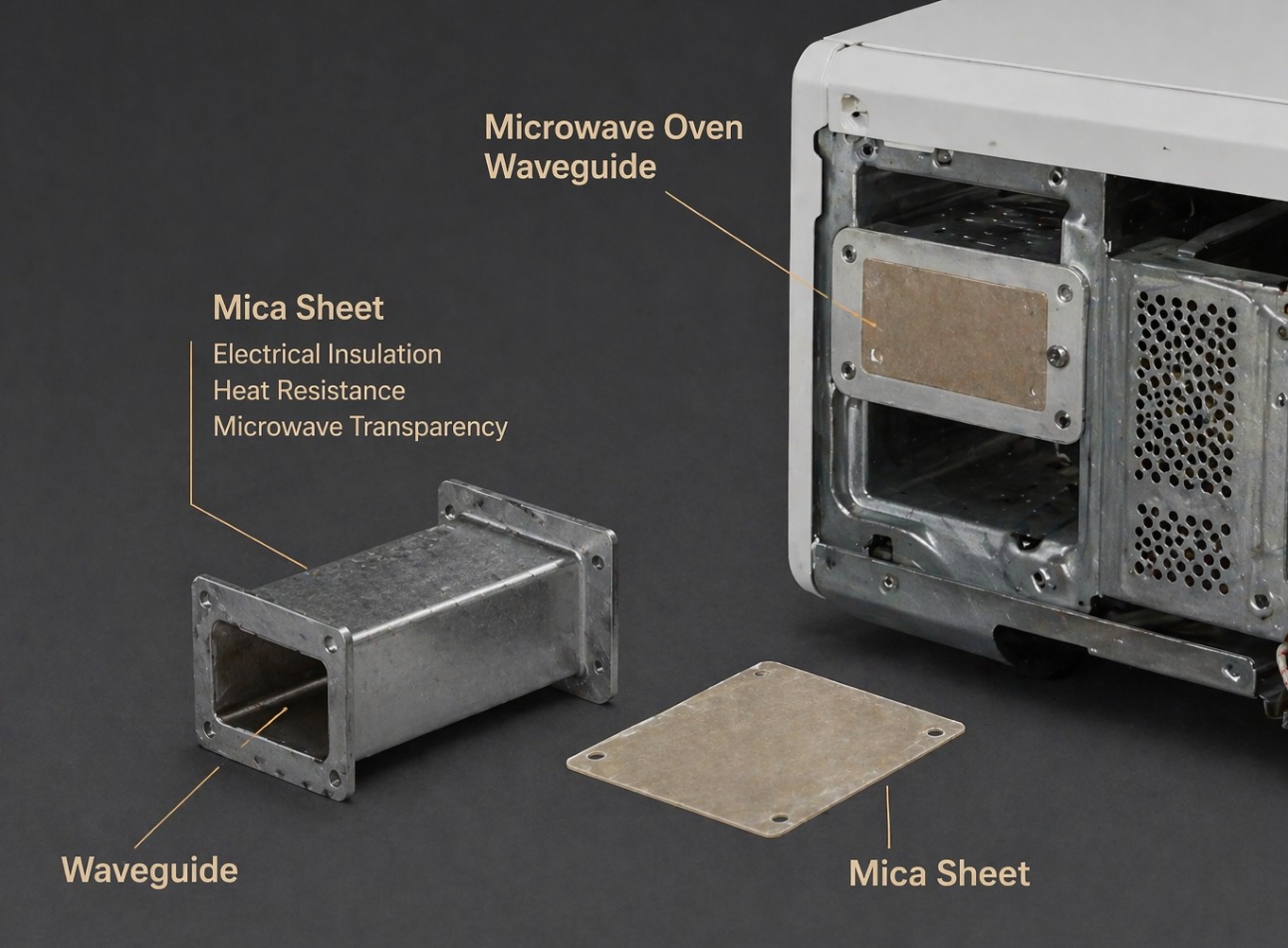
  • Microwave ovens — mica waveguide covers keep food splatter away from electrical components while letting microwaves pass through freely
  • Panel heaters — mica sheets cover heating components, absorbing large amounts of heat without combustion

These properties ensure appliances work safely and reliably, even in very hot conditions.

Key Applications

Five Household Appliances Where Mica is Essential

Mica insulation is used across a wide range of daily-use household electrical appliances — keeping them safe, efficient, and long-lasting.

Toasters

Mica wraps around heating elements, preventing bread from burning and protecting users from accidental contact with hot parts. Heat-resistant up to 500°C (muscovite), rigid mica plates support heating wires under repeated thermal cycling — thousands of uses per appliance lifetime.

Hair Dryers

Mica sheets wrap around heating elements to keep hot air flowing correctly and prevent overheating. Reduces electrical shock hazards — critical for a wet-environment appliance. NiCr/FeCrAl resistance wire winds onto mica plates/cylinders for stable 600°C operation, ~90% thermal efficiency.

Microwave Ovens

Mica sheets cover the waveguide, keeping food splatter away from electrical components while letting microwaves pass through freely. Mica covers protect electrical parts from food while maintaining oven function and preventing electrical problems.

Electric Irons

Mica sheets cover the electric heater, retaining heat inside and preventing people from being scalded. Withstands thermal cycling from ambient to 230°C repeatedly, while providing the critical dielectric barrier between the live heating element and the user's hand on the metal soleplate.

Panel Heaters & Ovens

Panel heaters use mica sheets to cover heating components — mica doesn't burn and absorbs large amounts of heat. Ovens use mica for electrical insulation in heating elements. Phlogopite grade (up to 1000°C) handles the most demanding heating applications safely.

Coffee Makers, Kettles & Cookers

Mica is widely used in electric kettles, coffee makers, rice cookers, and steam cookers for heating element insulation. Food-safe natural mica (for cookware-adjacent parts), rapid heating/cooling cycle tolerance, and no risk of toxic fume release.

200 kV/mm Dielectric
Mica waveguide cover in microwave oven - dielectric insulation for electrical safety in household appliances
Electrical Safety

How Mica Protects Appliances from Electrical Hazards

Mica also helps protect household appliances from electrical problems. It has strong electrical insulation and high dielectric strength — blocking short circuits and leakage currents. This is especially important for appliances that use high voltage or reach very high temperatures.

In hair dryers, mica sheets wrap around the heating element, keeping air flowing correctly and preventing overheating — reducing electrical shock risks. In microwave ovens, mica covers protect electrical components from food splatter, keeping the oven working properly and preventing electrical issues.

◆ Property × Appliance

How Mica Makes Two Appliances Safer

Property / Function Role in MicrowaveWaveguide Cover Role in Hair DryerHeating Element
Electrical Insulation Keeps waveguide components safe, prevents short circuits and leakage Protects heating parts, prevents electrical hazards
Heat Resistance Shields components from high temperatures, ensures safety Controls airflow, prevents overheating
Dielectric Strength Prevents electrical breakdown under high voltage Stops electrical accidents and fires
Physical Durability Strong yet flexible — protects against food splatter and debris Handles repeated heating cycles safely
Flame Retardancy Halts and contains flames, reduces fire risk Reduces fire risk near heating elements
Dielectric Strength

How Mica's Dielectric Strength Beats Common Alternatives

Mica has exceptionally high dielectric strength — protecting against leakage and short circuits at voltages that would destroy conventional insulators. Strong heat resistance allows mica to withstand high temperatures without damage. Chemical stability and mechanical strength make it safe and reliable.

Material Thickness (mm) Dielectric Strength (kV/mm)
Mica 0.01 Up to 200
PVC (Polyvinyl Chloride) N/A 20–40
Waxed Paper 0.10 40–60

Mica achieves up to 200 kV/mm at just 0.01 mm thickness — 5-10× stronger than PVC and waxed paper.

Durability & Environmental Value

Eco-Friendly, Durable, and Recyclable

Mica is safe for the environment. It doesn't burn or produce toxic fumes. Manufacturers can recycle mica more easily than plastic. The table below shows how mica compares to alternatives:

Feature Mica CoatingNatural Ceramic / PlasticSynthetic
Durability High Moderate
Heat Resistance Excellent Good
Environmental Impact Low Medium to High
Recyclability Typically recyclable Less recyclable
Mica vs Ceramic

Mica vs Ceramic — 9-Parameter Performance Comparison

Mica, ceramics, and plastics all help ensure heat and electrical safety in appliances. But each works differently. Here's a detailed comparison of mica vs ceramic across 9 performance aspects.

Performance Aspect MicaNatural Mineral CeramicSynthetic
Maximum Temperature Up to ~1000°C Up to ~1750°C
Thermal Conductivity Very low Very low
Thermal Shock Resistance Good Very good
Chemical Resistance Very good Very good
Mechanical Strength High Very high (dense) / Low (fiber)
Flexibility Medium to flexible Brittle and hard
Durability Long-term stable Stable, but fibers may scatter
Cost Medium to high Medium to high
Electrical Insulation Perfect insulator Good insulator

Mica is special because it can withstand heat and bend slightly while blocking electrical leakage. Ceramics absorb more heat but break easily and don't bend like mica. Plastics melt or break down if they get too hot.

Mica heaters heat up and cool down quickly. They're lightweight and easy to install. Ceramics are good for very hot environments but heavy and hard to shape. Plastics are only suitable when things won't get very hot.

Product Solutions for Appliance Manufacturers

Recommended Mica Products for Household Appliances

Browse our most frequently specified mica insulation products for appliance OEMs and manufacturers worldwide.

Conclusion

Why Mica is Essential for Modern Appliance Design

Mica components help electrical appliances work safely, efficiently, and sustainably — from the morning toaster to the microwave dinner. Its unique combination of high dielectric strength (up to 200 kV/mm), thermal resistance (up to 1000°C), flame retardancy, mechanical durability, and environmental friendliness makes it the preferred insulation material for appliance OEMs worldwide.

From kitchen counter to bathroom vanity — mica keeps the everyday appliances you rely on safe, reliable, and built to last.

Manufacturing Household Electrical Appliances?

We work directly with appliance OEMs and manufacturers worldwide — supplying rigid mica plates, flexible mica sheets, mica tubes, and pre-assembled heating elements for toasters, hair dryers, microwaves, irons, panel heaters, and more. Share your appliance specs, performance requirements, and annual volumes — we respond within 24 hours with samples, TDS, and factory-direct pricing.

Chat with us on WhatsApp