◆ 900°C Rated
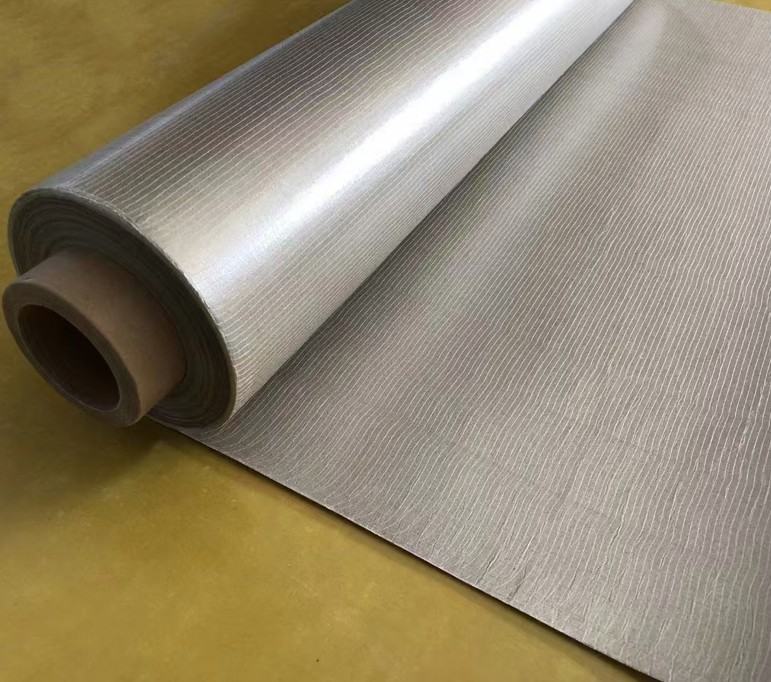
A high-performance insulation material produced from natural mica flakes through a specialized calcination, grinding, and papermaking process. The heat-treatment removes structural water and volatiles — pushing the continuous service temperature 200–300 °C higher than standard mica paper, while maintaining excellent dielectric properties.
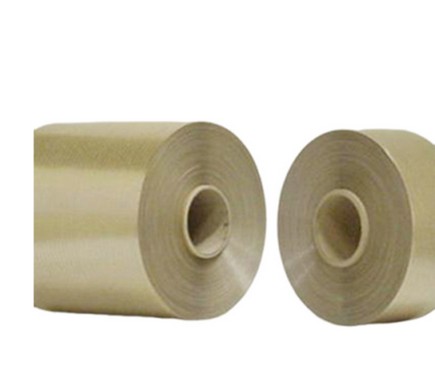
Calcined mica paper is a specialized high-temperature insulation material manufactured by subjecting high-quality natural mica flakes to a controlled calcination process. During calcination, the mica is heated to extract structural water molecules and drive off volatile components — resulting in a paper that can withstand substantially higher operating temperatures than standard mica paper without loss of dielectric integrity.
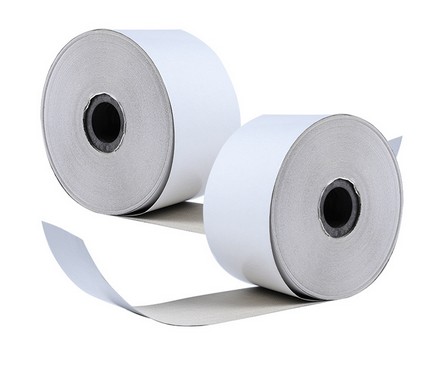
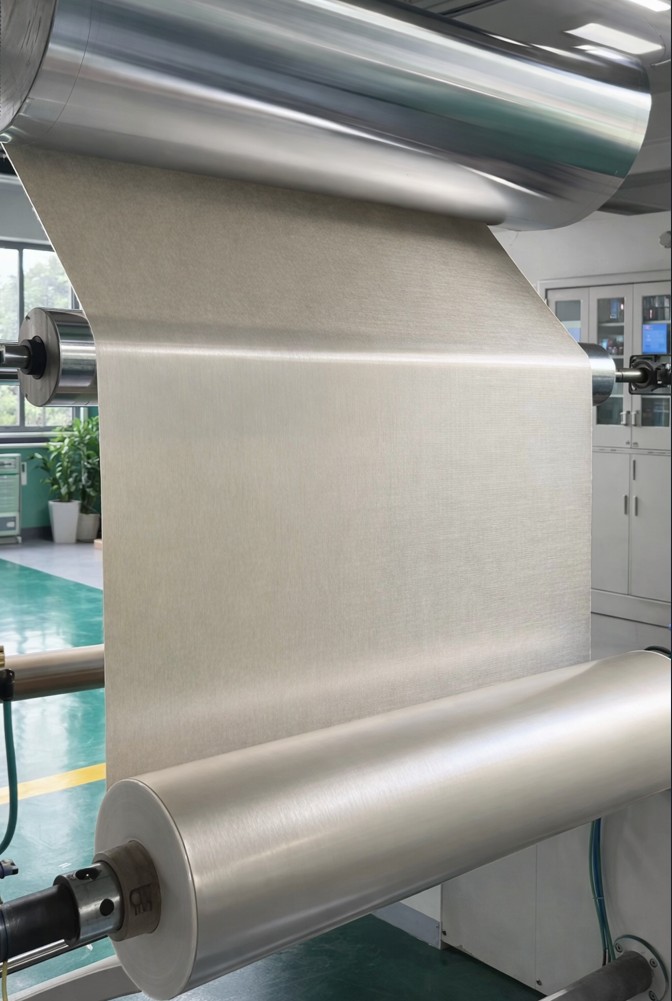
The calcined flakes are then milled, pulped and formed into continuous sheets on our dedicated paper-making lines. The result is a thin, flexible, and mechanically strong material that combines the dielectric strength of mineral mica with the convenience of paper — ideal for winding, laminating, die-cutting and wrapping around complex geometries.
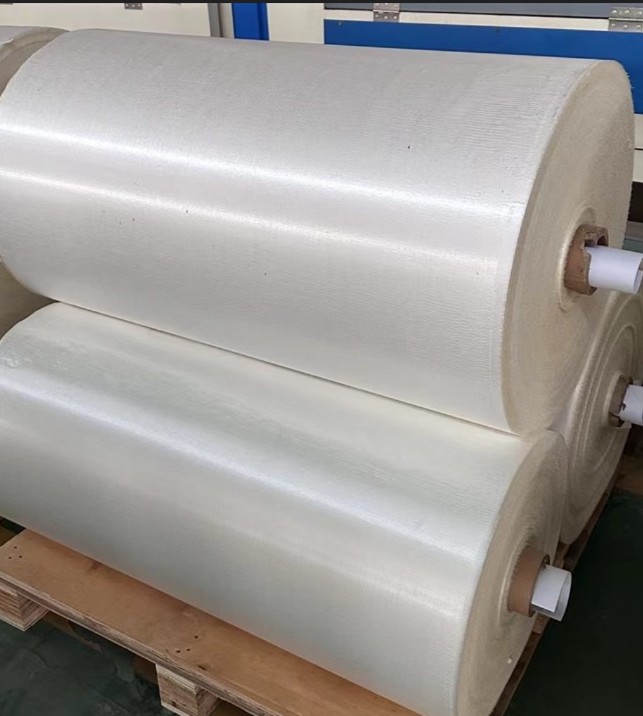
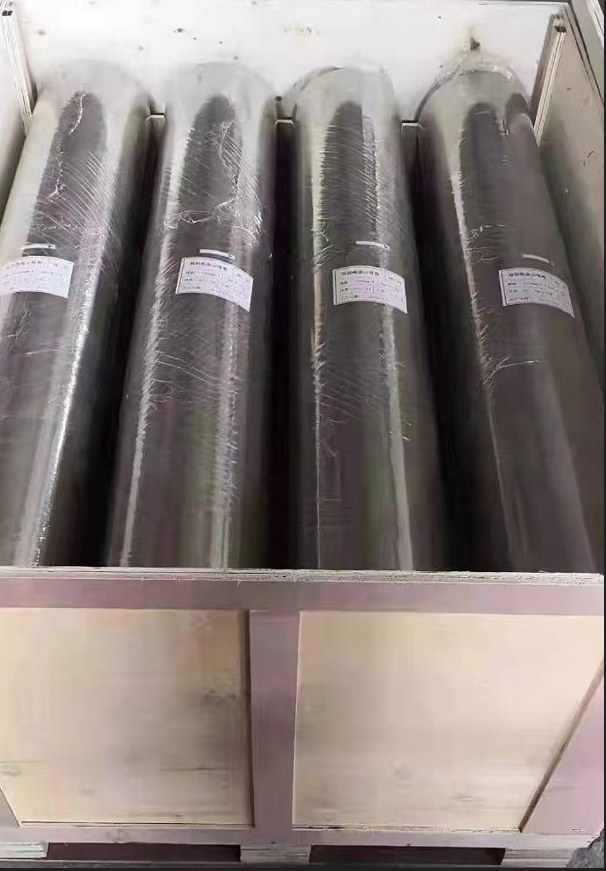
At SZX New Materials, we manufacture calcined mica paper in nominal grammages from 50 g/m² to 160 g/m², with custom widths and slitting available on request. Every roll is tested in-house for dielectric strength, tensile strength, and mass loss before being pallet-packed for export.
The calcination process delivers measurable performance improvements — not marketing claims. Every property below is verified per batch in our QC laboratory.
Stable performance at continuous operating temperatures of 600–900 °C. Short-term resistance up to 1000 °C — 200–300 °C higher than standard mica paper.
Breakdown strength of 15–30 kV/mm and volume resistivity ≥10¹⁴ Ω·cm, ensuring reliable insulation for high-voltage equipment even under thermal stress.
Thermal conductivity ≤0.15 W/(m·K) at 25 °C — effectively reduces heat transfer and contributes to higher energy efficiency in high-temperature systems.
Strong tensile strength (≥3 MPa) and good tear resistance — maintains integrity during handling, winding, lamination and installation on converting equipment.
Resistant to most acids, alkalis and organic solvents. Non-hygroscopic — ensures stable long-term performance in corrosive or humid environments.
Full nominal weight range from 50 to 160 g/m². All values are verified in our in-house QC laboratory on every production batch. Custom specifications available on request.
| Nominal Weight (g/m²) |
Avg. Tolerance (%) |
Individual Tolerance (%) |
Air Permeability (s/100ml) |
Penetration Time (Time) |
Water-Extract Conductivity (μS/cm) |
Mass Loss (%) |
Tensile Strength (N/cm) |
Dielectric Strength (kV/mm) |
|---|---|---|---|---|---|---|---|---|
| 50 | ±3 | ±5 | ≤900 | ≤20 | 15 | 0.5 | ≥3 | ≥24 |
| 60 | ±3 | ±5 | ≤1000 | ≤25 | 15 | 0.5 | ≥3.2 | ≥24 |
| 70 | ±3 | ±5 | ≤1100 | ≤30 | 15 | 0.5 | ≥3.3 | ≥24 |
| 100 | ±3 | ±5 | ≤2100 | ≤55 | 15 | 0.5 | ≥3.9 | ≥26 |
| 120 | ±3 | ±5 | ≤3000 | ≤65 | 15 | 0.5 | ≥4.0 | ≥26 |
| 160 | ±3 | ±5 | ≤3500 | ≤90 | 15 | 0.5 | ≥6.0 | ≥26 |
Any application where standard mica paper would reach its thermal limit — from electric motors to jet engines to solar thermal power plants.
Insulation for motors, transformers, and generators — especially high-temperature variants used in power plants, EV traction motors, and industrial drive systems operating above standard mica paper's thermal limit.
Ideal for insulating components in jet engines, exhaust systems, and high-performance batteries where extreme temperatures are normal operating conditions. Lightweight, reliable, and flame-resistant.
Lining material for industrial kilns, smelting furnaces and heat-treatment equipment — protecting structural components from direct thermal damage while maintaining electrical isolation where needed.
Insulation systems for concentrated solar power (CSP) thermal plants and geothermal equipment — able to endure the sustained high temperatures generated during energy conversion processes.
Both grades offer excellent electrical insulation — but the calcination process makes a measurable difference when temperature, fire survival, or long-term reliability is critical. Here's when to choose each: