📞 +86 19574989725 sales@micainsulation.com 🌐 Factory-Direct · Export Worldwide
Get Quote
Application Industry

Mica in Energy Storage Systems — Safety, Thermal Protection & Reliability

As global demand for renewable energy and grid stability accelerates, Battery Energy Storage Systems (BESS) — especially lithium-ion battery systems — are becoming essential infrastructure. With increased energy density comes higher risks of thermal runaway, fire hazards, and electrical failure. Mica-based insulation materials have emerged as a key safety solution, providing exceptional high-temperature resistance, electrical insulation, and flame-retardant properties that protect battery systems and ensure operational reliability under extreme conditions.

◆ BESS Safety Overview
Temperature Resistance>1000°C
Flame RatingNon-Combustible
Toxic EmissionsZero
UL StandardsUL 94 / UL 9540A
NFPA ComplianceNFPA 855
Thermal RunawayPropagation Barrier
Thermal Runaway Battery Protection
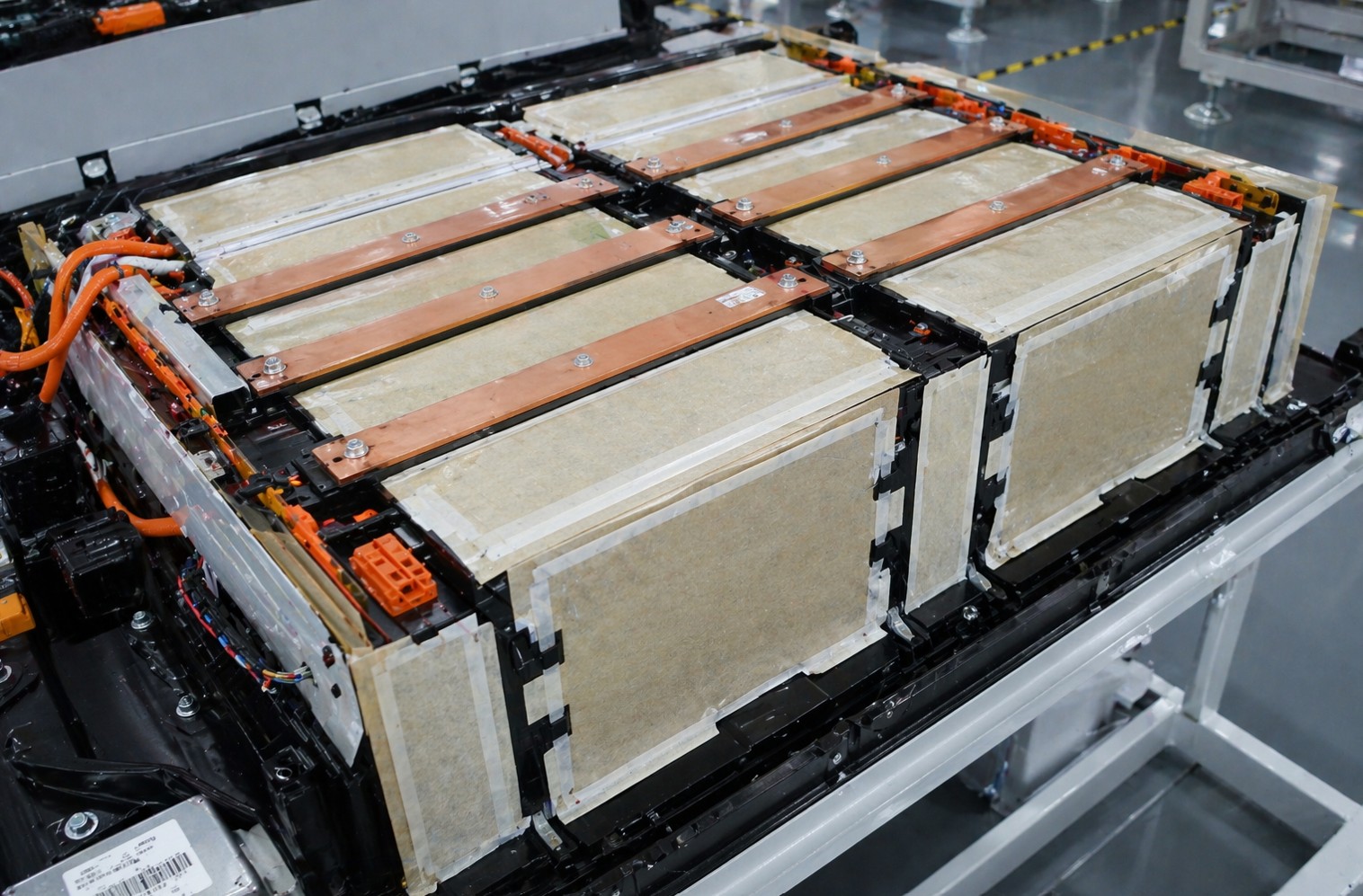
Mica insulation in Battery Energy Storage System (BESS) - lithium-ion battery pack with cell-to-cell thermal runaway barriers and fire protection layers
Why Critical

Why Mica Materials Are Critical in Energy Storage

As global demand for renewable energy and grid stability accelerates, energy storage systems (ESS) — especially lithium-ion battery systems — are becoming essential infrastructure. However, with increased energy density comes higher risks:

  • Thermal runaway — cascading cell failure that can destroy entire battery packs
  • Fire hazards — lithium-ion chemistry is inherently flammable
  • Electrical failure — short circuits and dielectric breakdown at high voltages

Mica-based insulation materials have emerged as a key safety solution in modern energy storage systems. Thanks to their exceptional high-temperature resistance, electrical insulation, and flame-retardant properties, mica products play a crucial role in protecting battery systems and ensuring operational reliability under extreme conditions.
Three Key Functions

Mica's Role in Battery Energy Storage Systems (BESS)

Three complementary protection mechanisms make mica indispensable in modern ESS design — from residential battery walls to utility-scale container systems.

1. Thermal Barrier Protection

Mica materials withstand temperatures above 1000°C, making them ideal for preventing heat propagation during battery failure events.

  • ◆ Delays or prevents thermal runaway propagation
  • ◆ Protects adjacent battery cells and modules
  • ◆ Enhances overall system safety

2. Electrical Insulation

Mica provides excellent dielectric strength, ensuring reliable insulation between conductive components in high-voltage battery systems.

  • ◆ Prevents short circuits
  • ◆ Maintains insulation stability under high voltage
  • ◆ Performs reliably in harsh environments

3. Fire Resistance & Flame Retardancy

Unlike polymer-based materials, mica does not burn, melt, or emit toxic gases — crucial for enclosed battery enclosures.

  • ◆ Supports fire containment strategies
  • ◆ Maintains structural integrity during fire exposure
  • ◆ Improves compliance with fire safety standards
Typical Mica Products for ESS

Four Categories of Mica Products Used in Energy Storage

Each mica product type is engineered for specific BESS applications — from module-level thermal barriers to pack-wide composite insulation systems.

Mica Sheets / Plates

Used as rigid thermal barriers between battery modules and pack structures. High mechanical strength, excellent heat resistance, customizable thickness and size. Perfect for standardized module partitioning and end-plate insulation.

Flexible Mica Tapes

Applied for wrapping busbars, cables, or battery components. Easy installation, conforms to complex geometries, provides localized fire protection. Critical for high-voltage conductive path protection and connector wrapping.

Mica Paper & Laminates

Integrated into composite insulation systems within battery packs. Lightweight and versatile, suitable for mass production, enhances uniform thermal protection. The foundation for multi-layer BESS insulation designs.

Mica Components (Custom Parts)

Precision-cut mica parts for module-level protection. Spacers, gaskets, insulation barriers designed for specific battery pack structures. CNC-machined to OEM specifications for exact fit in custom battery architectures.

>1000°C UL 9540A
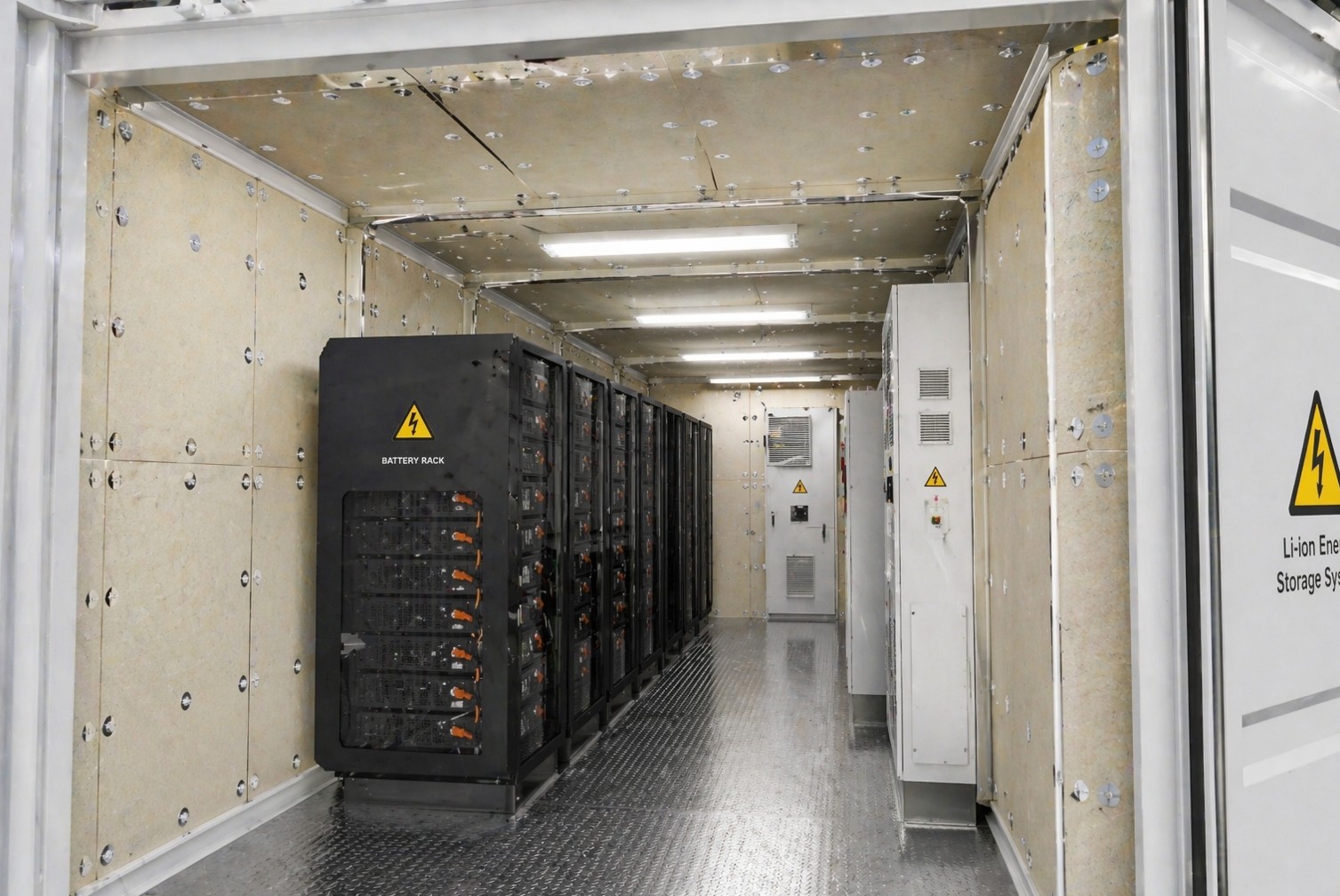
Mica fireproof lining for utility-scale BESS container - grid-scale energy storage system with structural thermal insulation
ESS Applications

Four Application Zones in Energy Storage Systems

Mica materials are widely used across different ESS configurations — from cell-level barriers inside individual battery modules to fireproof linings in utility-scale container systems.

Battery Pack & Module Protection

Core BESS application — mica provides structural and thermal protection at the module level.

  • ◆ Cell-to-cell thermal insulation
  • ◆ Module partition barriers
  • ◆ End plate insulation

Busbar & Electrical System Insulation

High-current pathway protection for reliable ESS operation at system voltages from 400V to 1500V+.

  • ◆ High-voltage insulation for conductive paths
  • ◆ Fire-resistant wrapping for connectors and terminals

Thermal Runaway Protection Systems

The most critical BESS safety function — preventing single-cell failure from cascading across the entire pack.

  • ◆ Fire barrier layers within battery enclosures
  • ◆ Integration with thermal management systems

Energy Storage Containers & Cabinets

Utility-scale and commercial BESS installations — mica lines container walls for structural fire safety.

  • ◆ Fireproof lining materials
  • ◆ Structural insulation for large-scale BESS installations
Compliance & Standards

Meeting Stringent ESS Safety Standards

Mica materials help energy storage systems meet the most demanding safety and performance requirements — mandatory for commercial deployment.

UL 94

Flammability rating standard. Mica achieves V-0 classification — highest rating for plastic/composite material flammability, fundamental BESS material prerequisite.

UL 9540A

Thermal runaway fire propagation testing — the key ESS safety standard. Mica barriers enable battery systems to pass cell-to-cell propagation tests at module and rack level.

IEC Standards

International standards for electrical insulation and fire resistance — IEC 60695 series for fire hazards testing, IEC 62619 for lithium battery safety compliance.

NFPA 855

Energy storage system installation safety — the US code for stationary ESS. Mandates fire separation, ventilation, and suppression requirements that mica materials help satisfy.

Mica vs Polymer

Why Mica Beats Traditional Polymer Insulation for BESS

Head-to-head comparison across the five properties that matter most for energy storage system safety.

Property MicaNatural Mineral Polymer MaterialsSynthetic
Heat Resistance >1000°C 200–400°C
Flame Resistance Non-combustible Can burn/melt
Toxic Emissions None Possible
Electrical Insulation Excellent Moderate
Thermal Stability Outstanding Degrades with heat
Installation & Design

Design Considerations for Maximum BESS Performance

To maximize mica performance in energy storage systems, engineers should follow these design best practices:

  • Ensure proper mechanical fixing of mica sheets — avoid loose or sliding barriers that create thermal bridges
  • Avoid gaps in thermal barrier design — even small gaps allow heat propagation and defeat the barrier purpose
  • Combine mica with other materials for multi-layer protection systems — aerogel + mica, ceramic + mica are proven combinations
  • Consider weight and space optimization in battery pack design — thinner flexible mica for mass-sensitive mobile ESS, thicker rigid boards for stationary grid-scale
Future Trends

Next-Generation ESS: Where Mica is Heading

With rapid innovation in battery technologies, mica materials are evolving to meet new demands:

  • Ultra-thin mica composites for compact battery packs — enabling higher energy density without sacrificing safety
  • Hybrid insulation systems combining mica with aerogels or ceramics — breakthrough thermal performance at reduced weight
  • Smart insulation integration with temperature sensing systems — embedded sensors trigger BMS alerts before thermal runaway
  • Sustainable mica processing for eco-friendly ESS solutions — reduced waste, lower energy consumption in mica production
Product Solutions for BESS

Recommended Mica Products for Energy Storage

Browse our most frequently specified mica products for BESS OEMs, battery pack manufacturers, and utility-scale ESS integrators.

Conclusion

Mica: A Core Safety Material in Modern Energy Storage

In modern energy storage systems, safety is paramount. Mica materials provide a proven, high-performance solution for thermal insulation, fire protection, and electrical reliability — the three fundamental requirements for safe lithium-ion battery operation.

As ESS applications continue to expand — from residential storage to utility-scale installations — mica will remain a critical material for ensuring safety, compliance, and long-term performance.

From home battery walls to grid-scale MWh installations — mica is the silent guardian of the global energy transition.

Supplying Energy Storage Systems or BESS Integration Projects?

We work directly with BESS manufacturers, battery pack OEMs, and utility-scale ESS integrators worldwide — supplying flexible mica plates for cell-to-cell barriers, PI mica tape for busbar wrapping, synthetic mica paper for composite laminates, and precision mica components for module-level protection. Share your project details (battery chemistry, voltage system, UL 9540A target, annual volume) — we respond within 24 hours with samples, TDS, and factory-direct pricing.

Chat with us on WhatsApp